


Child doesn’t play with toys? Here’s what’s often behind it
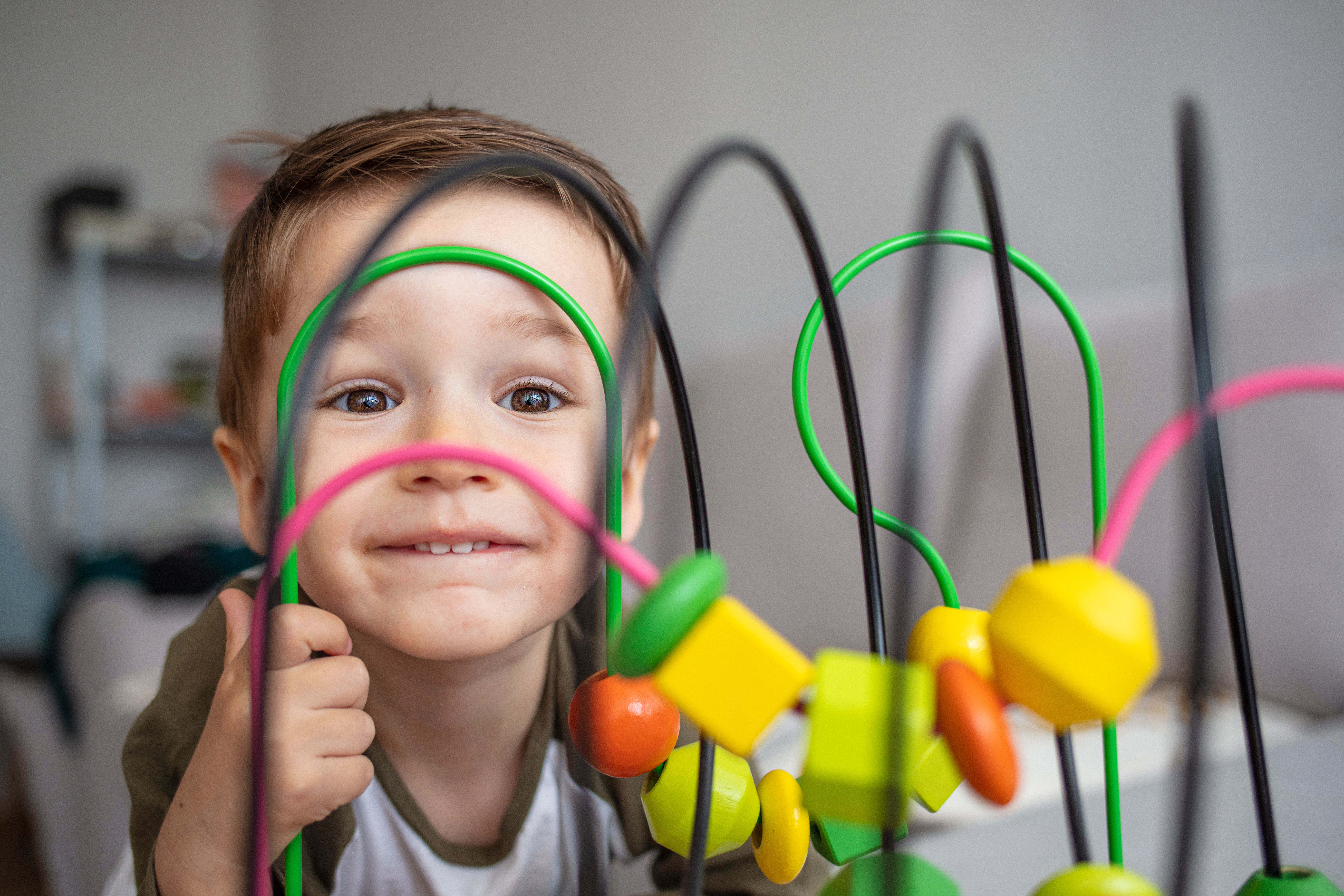
The cabinet is full, and your child walks right past it without picking anything up. When your child isn’t playing with toys, your first instinct is almost always the same: you need to add something new. Most of the time, that’s exactly the wrong thing to do.
At what age should a child start using a balance bike? Here’s how to know
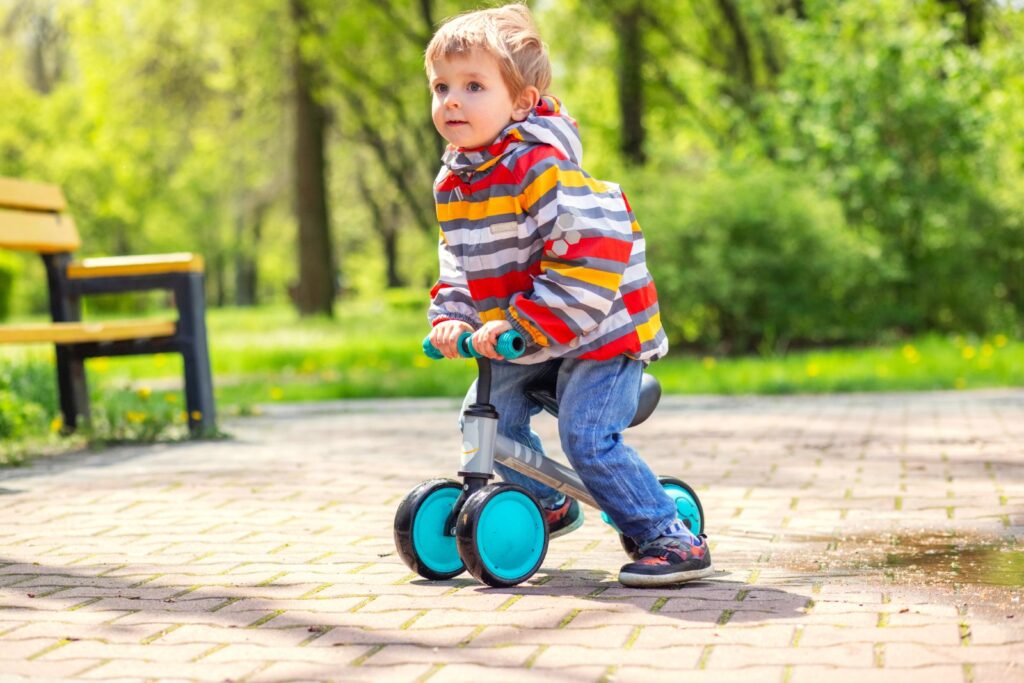
The neighbor’s child, who’s just turned two, is racing down the sidewalk. Your balance bike has been sitting unused against the shed wall for four months. Same age, completely different scene. That’s exactly why there’s no straightforward answer—in terms of years—to the question of at what age a child should start using a balance bike.
St. Nicholas Without a Mountain of Toys: A Gift That Lasts
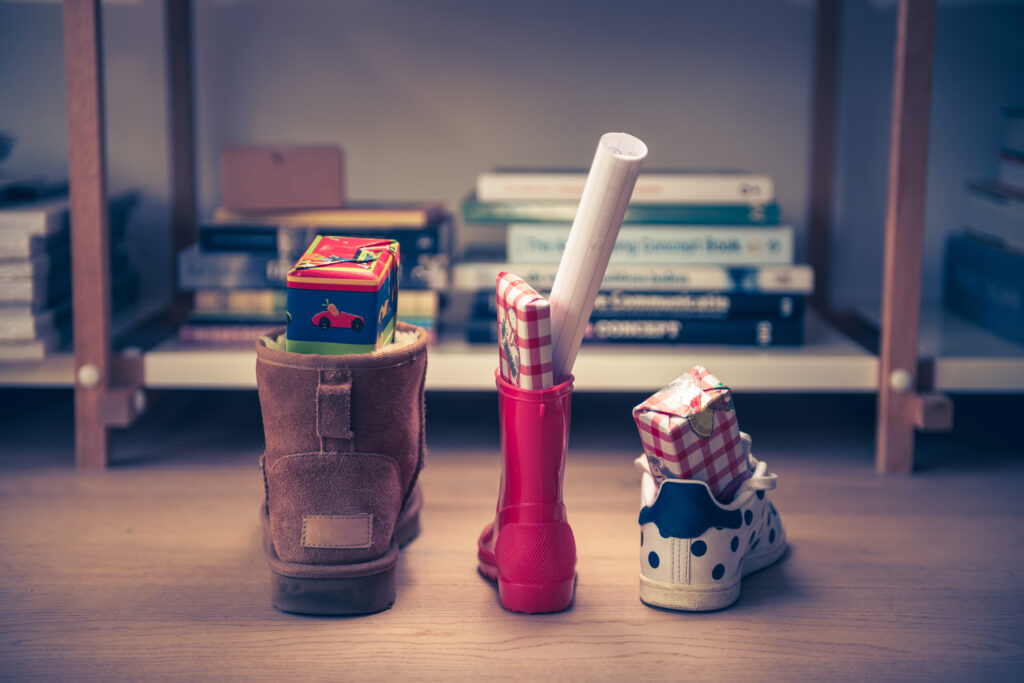
December 5, 7:30 p.m. The floor is covered with paper; your child is sitting among six new toys and playing with the box. By January, there will be only one left that they’re actually playing with. You saw it coming, and yet it happened again. A sustainable St. Nicholas gift doesn’t start with using less wrapping paper, but with asking a different question.
Learning to Play Together: Why Sharing So Often Goes Wrong
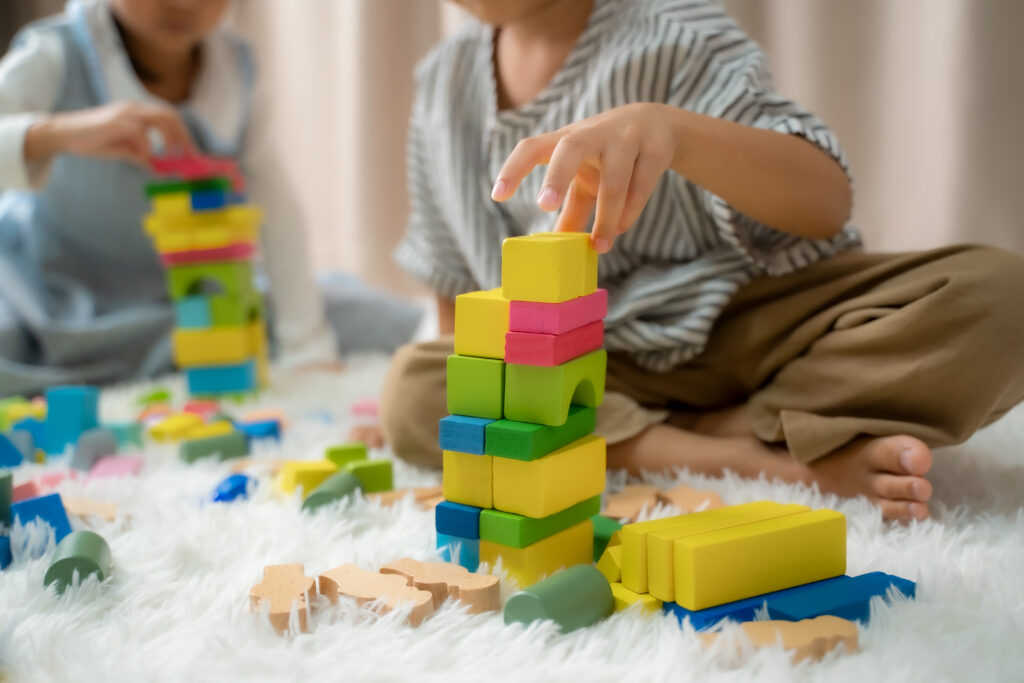
Two kids, one push car. You can see it coming from a distance: the little hands, the pushing, the tears. And you hear yourself saying what every parent says, “Play together, okay?” even though you already know it’s not going to work. Learning to play together sounds like something you teach a child. Most of the time, it comes down to something else entirely.
Circular Toys: Why Wood in the Attic Is Just as Idle as Plastic
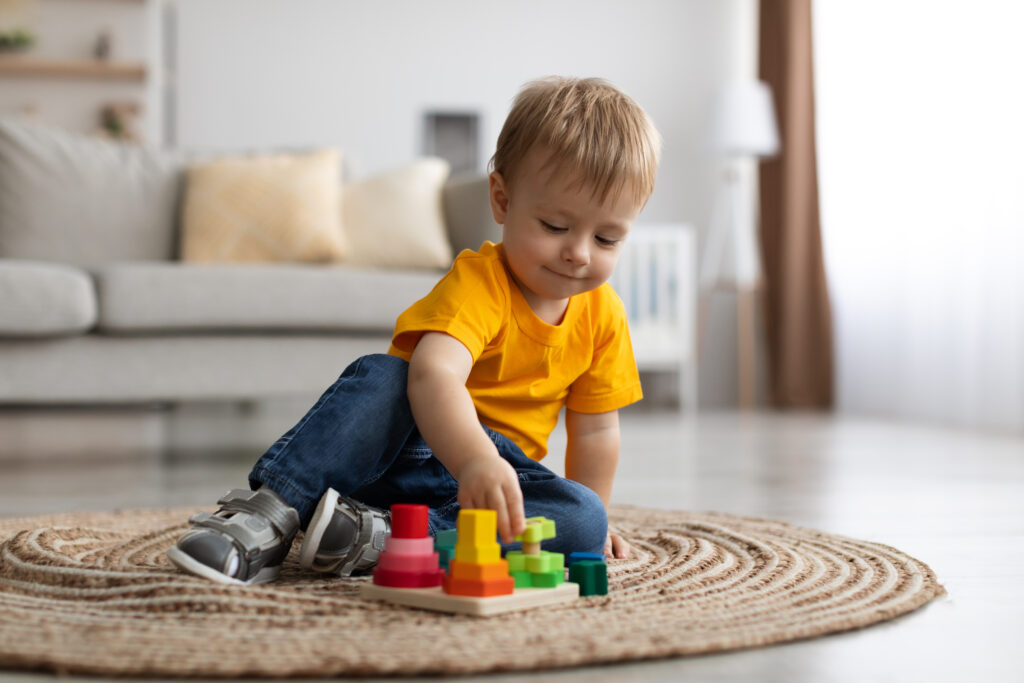
You did a great job: the little wooden play kitchen was FSC-certified—and even secondhand. It sat in the living room for two years; now it’s in the attic with a little pot inside that nobody picks up anymore. When it comes to circular toys, most parents think about what they’re made of. But the question that really matters is a different one: how many children have played with it?