


Sustainable Toys and CO2: Why Sharing Makes a Bigger Difference Than Buying Wood
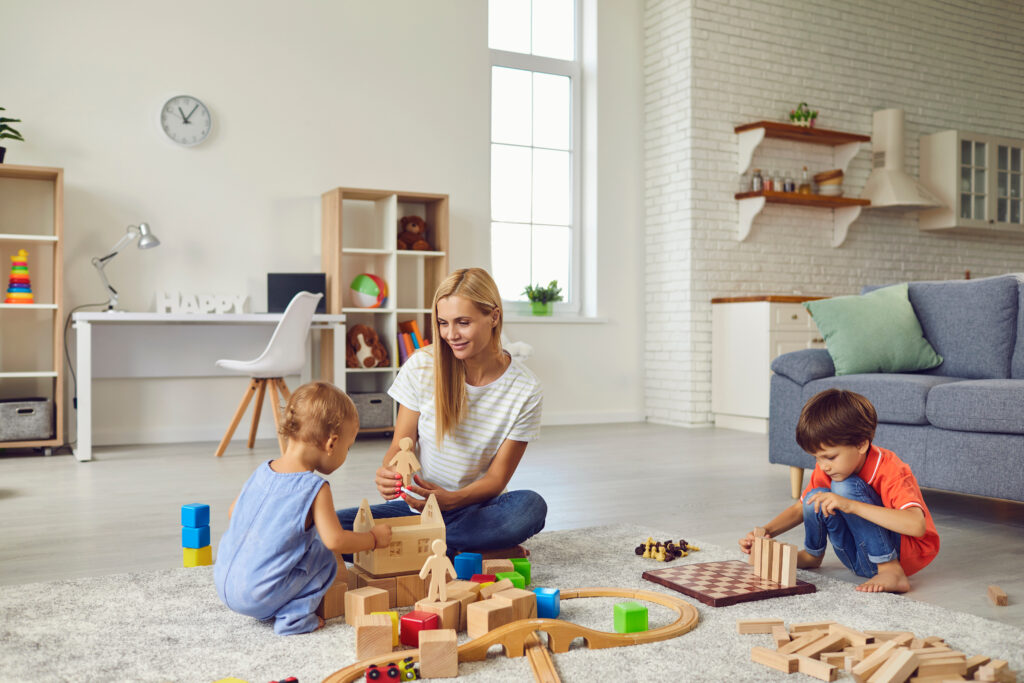
You’re tidying up the playroom and come across a wooden play kitchen that you bought two years ago with the best of intentions. Exactly one child played with it—for a few months. Now it’s just in the way. That’s the moment when most parents start thinking about sustainable toys. Usually, the answer comes down to materials: buy wood instead of plastic. But the biggest reduction in CO2 emissions lies elsewhere.
Encouraging Imaginative Play in Your Toddler (Ages 2–4): Why Fewer Toys Lead to More Imagination
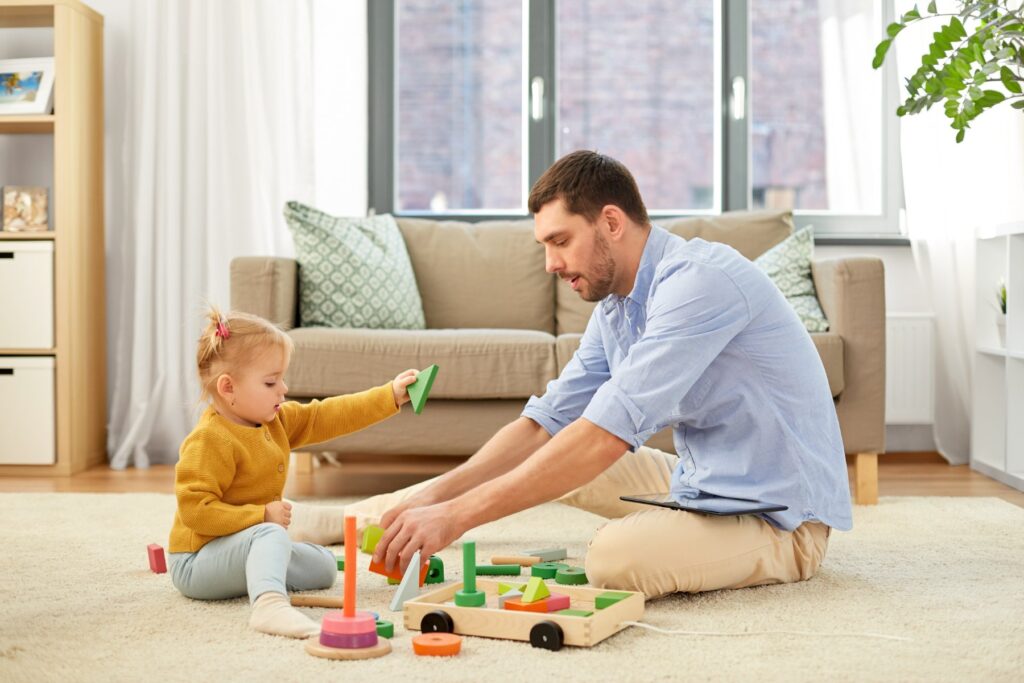
Your toddler gets a brand-new fire truck with lights, sounds, and an extendable ladder. He plays with it intensely for three days. After that, it ends up in the corner, and he’d rather grab an empty box, a spoon, and a pillow to “cook soup for the neighbors.” That’s no coincidence.
Why “Educational” Toys Don’t Help Your School-Age Child Concentrate
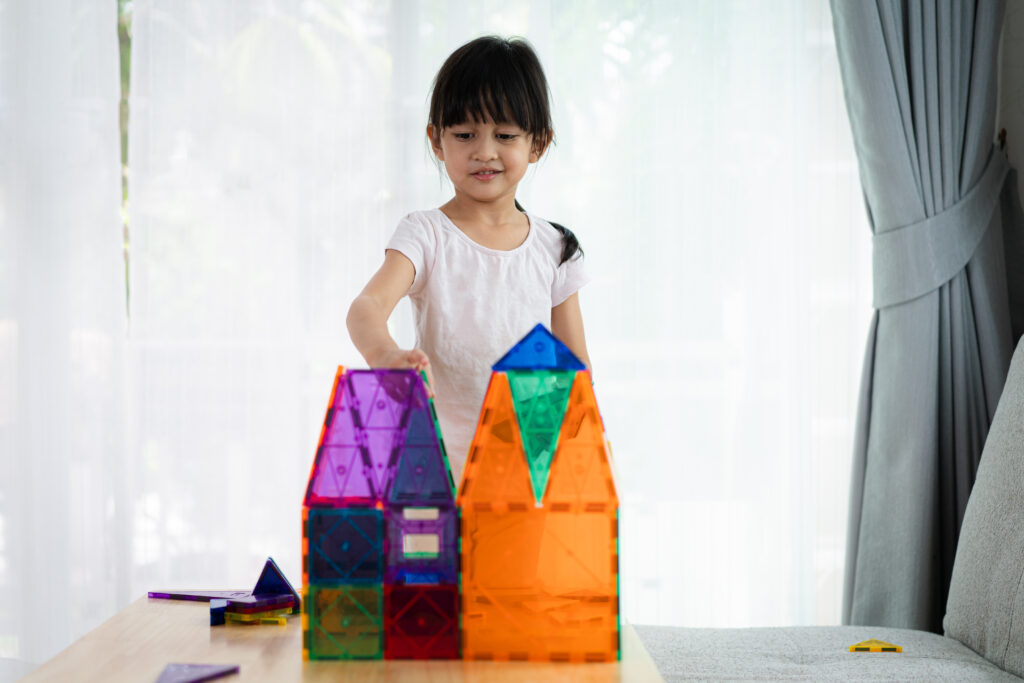
Your child comes home from school, plops down, and can’t sit still for even five minutes while doing homework. An hour later, that same child is sitting perfectly still, putting together a building set. Not because they have to, but because they just can’t stop.
Comparing Toy Subscriptions from Bol and Action: Which Price Actually Matters?
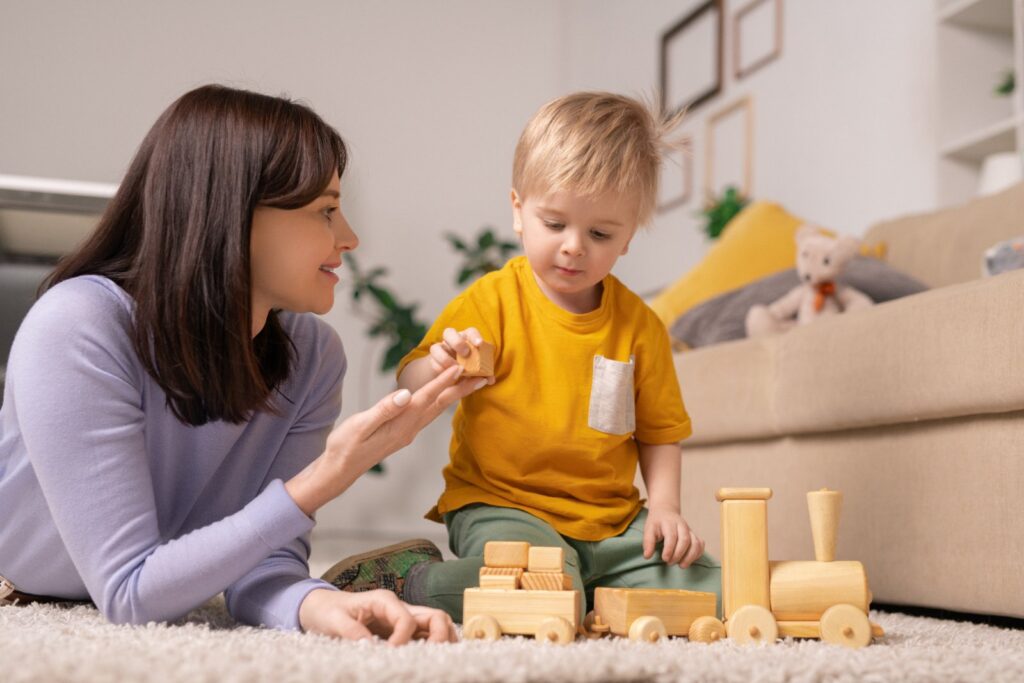
You’re standing in Action with a set of building blocks in your hand. Eight euros. You don’t even hesitate—for that price, it’s almost impossible for this to be a bad buy. At home, it sits on the floor for one afternoon. After that, never again.
Toys for 1-Year-Olds: Why Age Labels Are More Likely to Mislead You Than to Help
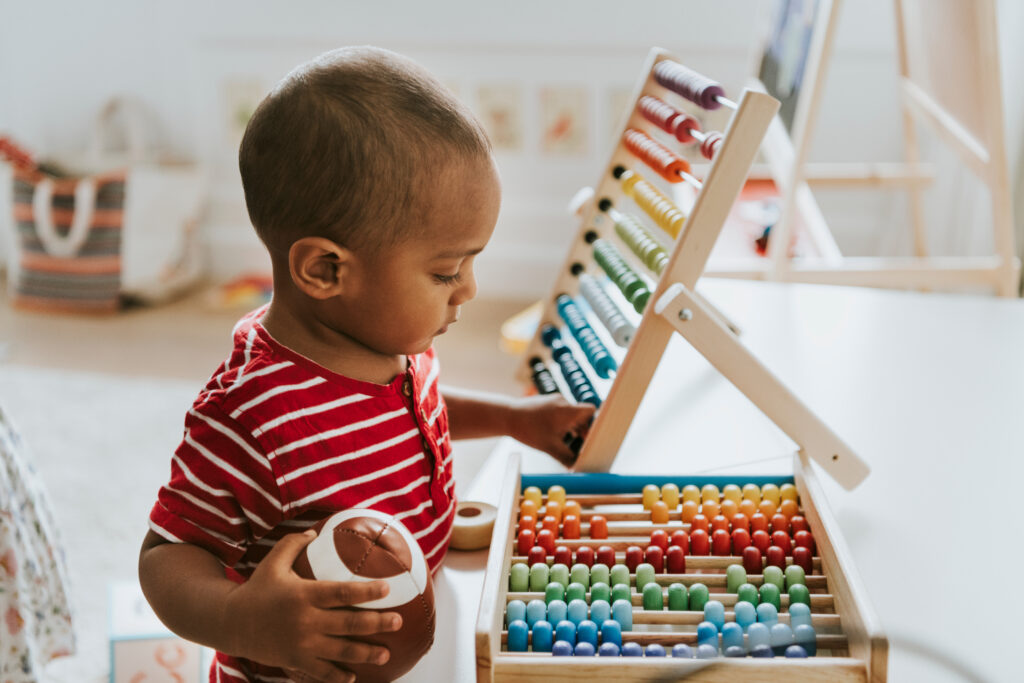
You’re standing in the store with a sorting toy in your hand. “12–18 months” it says on the box; your child is just 14 months old. That’s exactly right. Once you get home, he looks at it for two minutes, sets it aside, and then climbs frantically up onto the couch.